A packed open mat can feel productive simply because everyone is tired by the end of it. Gianni Grippo isn’t convinced that exhaustion means much on its own.
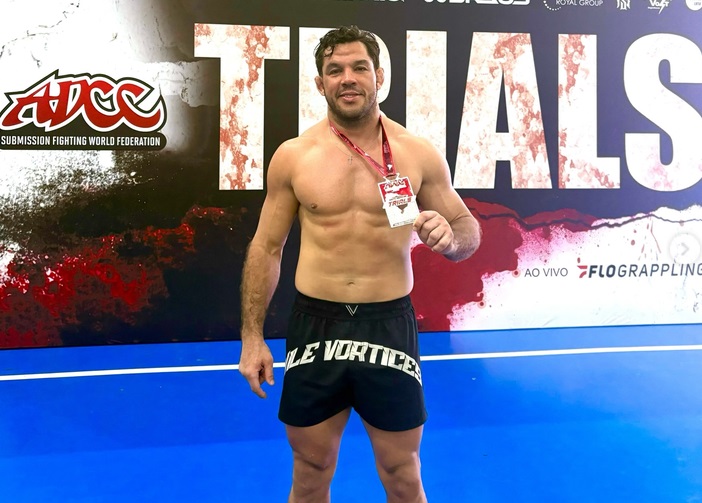
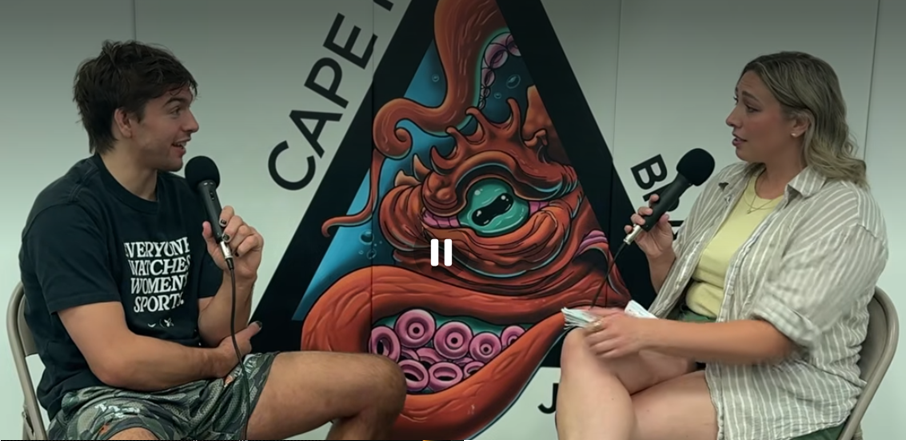
Speaking on the August 14 episode of Jits and Giggles, the 2026 ADCC West Coast Trials winner laid out a criticism aimed at how most grapplers approach open mat sessions. Without a specific job to do, he argued, an open mat collapses into random rounds, accumulated fatigue, and not much else. Grippo wasn’t telling people to skip them. He was pointing out how easily a room full of live rolling gets mistaken for a room full of improvement.
The scenario is familiar to most people who train. A long Sunday session ends with soaked gis and burning lungs, yet nothing specific changed. Partners were good, rounds were hard, but the hour mostly consisted of the same safe guard, the same comfortable pass, and positions accepted without a fight because winning that particular exchange never seemed worth the effort. Grippo’s fix is straightforward: decide what the session is for before the first grip is taken.
Open mats offer things a structured class often can’t. They put you across from unfamiliar styles, bigger or faster training partners, and teammates you’d never normally be paired with in a regular class rotation. For someone visiting a new gym, an open mat can be the fastest way to get a read on the room. But none of that automatically produces growth. A free-training format removes the built-in constraints of a class and hands control back to the athlete, and with that control comes the responsibility to use it well. Left unguided, most people default to whatever feels familiar: their best guard, their go-to pass, the same reflexive reaction every time a partner stands up.
A regular class solves this by design, since the instructor sets a constraint for everyone in the room, whether that’s retaining guard, finishing from a front headlock, or entering a leg entanglement safely. Open mat offers no such structure. Whatever direction the session takes has to come from the athlete.
Grippo’s suggestion isn’t to show up with a long checklist. Pick a single weak spot that has been costing rounds and build the session around fixing it. That target can be narrow: recovering inside position after a bodylock pass starts, working one butterfly hook back to a dominant spot, shutting down the first underhook in half guard, or drilling a takedown entry live instead of waiting for a perfect opening. The goal should be sharp enough that, five rounds later, there’s a real answer to whether it actually got worked on.
That single decision reshapes how a session runs. It changes who gets picked as a partner and how rounds start, since telling a teammate exactly what you’re working on, or asking to begin from the position you usually avoid, turns a random round into something closer to targeted repetition. Three straight minutes spent on one repeated scenario with a cooperative partner can carry more value than three separate rounds of unrelated rolling.
It also changes what a good round looks like. Getting swept while testing a new guard entry, or losing a round because the plan was to wrestle instead of pull guard, isn’t a failure if the actual goal was reps under resistance. Grippo’s broader point is that grapplers who only protect their strongest game during open mat are often just protecting a weakness until competition forces it into the open.

A freelance journalist with more than seven years of experience covering a wide range of topics, with a focus on delivering accurate, engaging, and well-researched reporting. He studied at the University of Birmingham, where he developed a strong foundation in journalism and communications. Martin is a 10th Planet BJJ brown belt and has been training for approximately 10 years and a keen follower of submission grappling.