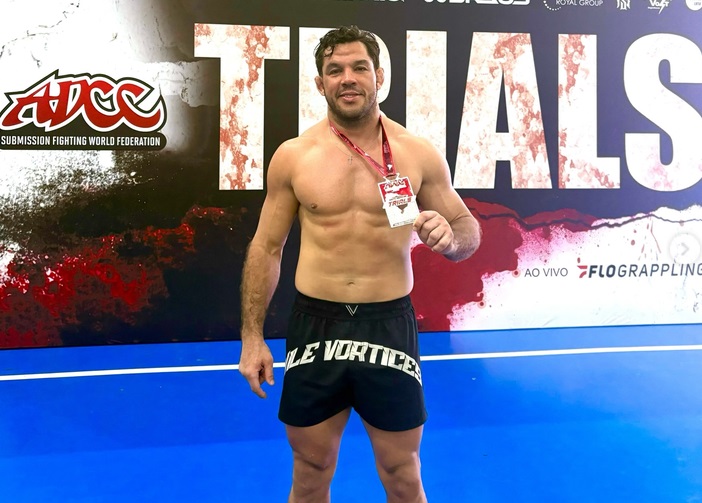
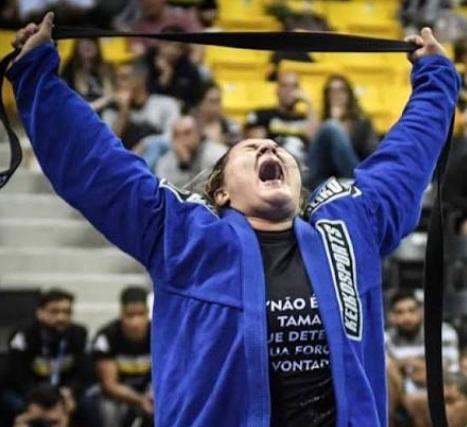
USADA has disqualified Tayane Porfírio de Araújo’s results from the 2026 IBJJF World Championship after an in-competition sample came back above the decision limit for Carboxy-THC, a metabolite the body produces when processing THC, the main psychoactive component of cannabis. The Alliance black belt has accepted a three-month period of ineligibility, backdated to July 8, when her provisional suspension first went into effect.
The sample was collected on May 31 during the World International Brazilian Jiu-Jitsu Federation Championship in Long Beach, where Porfírio reached both the female black belt super-heavyweight and open-class finals. Gabi Pessanha beat her in both, and the official IBJJF recap lists Porfírio as runner-up in each division. Under the sanction, all of her results from that day, including those two finishes, medals, points, and prizes, are now disqualified and subject to forfeiture.
The IBJJF itself is not a signatory to the World Anti-Doping Code, but it contracted USADA to handle testing at the championship, meaning athletes who registered for the event were subject to USADA’s testing process and rules. This wasn’t a decision made on the mat or a referee reversal, it was an anti-doping finding that followed the competition. It’s also worth noting that USADA wasn’t describing a pending allegation here. Porfírio accepted the sanction, and the agency’s announcement laid out the consequences of a confirmed result rather than an unresolved accusation.
The three-month length of the sanction comes down to a specific distinction in the rules. THC is prohibited in competition, but it falls into a category that allows for a reduced three-month sanction when an athlete can show the use happened outside of competition and had nothing to do with performance. USADA said Porfírio met that standard, meaning the finding wasn’t that THC gave her any kind of competitive edge, quite the opposite. The violation was triggered simply because the sample was collected in competition and came back over the threshold, regardless of when or why the substance was actually used. USADA noted the ineligibility period could shrink to one month if Porfírio completes an approved treatment program; as it stands, the three-month sanction runs through October 8.
None of this rewrites what actually happened in the finals themselves. Pessanha won both matches on the day, first in super-heavyweight and then in the open class. The sanction only affects Porfírio’s official record and awards from that date.
USADA also noted this marks Porfírio’s second anti-doping violation within the past decade. Her first came in 2018, when a positive test for anabolic-agent metabolites at that year’s World Championship resulted in a four-year sanction. The two cases aren’t being treated the same way, though. USADA said the rules didn’t call for an increased sanction this time specifically because the THC use was determined to be out-of-competition and unrelated to performance, leaving this case defined narrowly: a three-month ineligibility period, disqualification of the May 31 results, and no finding that the substance was used to gain any competitive advantage.

A freelance journalist with more than seven years of experience covering a wide range of topics, with a focus on delivering accurate, engaging, and well-researched reporting. He studied at the University of Birmingham, where he developed a strong foundation in journalism and communications. Martin is a 10th Planet BJJ brown belt and has been training for approximately 10 years and a keen follower of submission grappling.