As Brazilian Jiu-Jitsu continues its rapid global growth, Rorion Gracie believes the biggest challenge facing the art isn’t attracting new students—it’s making sure they’re taught properly.
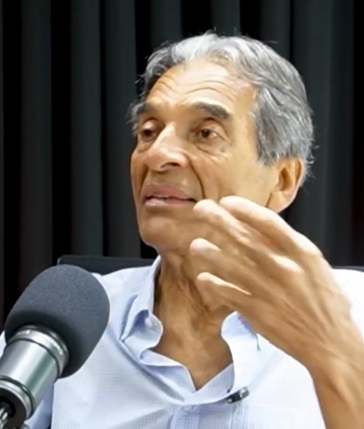
Speaking on The Ageless Warrior Lab podcast, the Gracie Academy co-founder argued that while Jiu-Jitsu has never been more accessible, too many instructors are opening schools without ever learning how to teach.
“Everybody should learn Jiu-Jitsu,” Rorion said. “But not everybody can teach Jiu-Jitsu.”
For Rorion, the distinction is an important one.
Skill Doesn’t Automatically Create Great Instructors
As the eldest son of Helio Gracie and one of the driving forces behind bringing Gracie Jiu-Jitsu to the United States, Rorion has spent decades developing teaching systems designed to make the art accessible to anyone—not just elite athletes.
His criticism isn’t directed at modern competition or the growing number of black belts. Instead, it’s aimed at the assumption that technical ability alone is enough to run a successful academy.
“That guy had never been taught the methodology on how to teach,” Rorion said. “Just because he’s a black belt, that doesn’t make him a teacher.”
It’s a point that resonates with many practitioners. While earning a black belt demonstrates years of dedication and technical knowledge, it doesn’t necessarily prepare someone to teach beginners, organize a curriculum, or adapt techniques to students with different body types, learning styles, or experience levels.
Teaching Is a Separate Skill
Rorion’s comments highlight a distinction that is often overlooked within the sport.
The best competitors are not always the best instructors, just as the most effective coaches aren’t always the athletes with the biggest tournament resumes. Teaching requires communication, patience, structure, and the ability to recognize when a student is struggling long before they consider quitting.
According to Rorion, poor instruction—not poor students—is often the real issue.
“There’s no such a thing as a bad student,” he said. “There are good teachers and bad teachers.”
That philosophy has long been central to the Gracie Academy approach, which emphasizes structured instruction and progressive learning rather than relying solely on hard sparring or athletic ability.
Has the Growth of Jiu-Jitsu Created a New Challenge?
The explosion of Brazilian Jiu-Jitsu over the past two decades has created thousands of new academies around the world. More schools have made the art accessible to more people than ever before, but they’ve also increased the demand for qualified instructors.
As new black belts graduate, many choose to open their own academies. While most possess strong technical skills, few receive formal education in coaching or teaching methodology before stepping into an instructor’s role.
Rorion believes that’s where the gap begins.
Rather than questioning the quality of modern Jiu-Jitsu itself, he’s questioning whether enough attention is being paid to how it’s taught.
Why It Matters
For students searching for a gym, Rorion’s comments serve as a reminder that choosing an academy involves more than finding the highest-ranked instructor or the most accomplished competitor.
A great academy is one where beginners feel supported, experienced students continue to develop, and instructors can explain concepts in ways that make them accessible to everyone in the room.
As Brazilian Jiu-Jitsu continues to grow worldwide, Rorion Gracie believes the future of the art will depend not just on producing more black belts—but on producing better teachers.

A freelance journalist with more than seven years of experience covering a wide range of topics, with a focus on delivering accurate, engaging, and well-researched reporting. He studied at the University of Birmingham, where he developed a strong foundation in journalism and communications. Martin is a 10th Planet BJJ brown belt and has been training for approximately 10 years and a keen follower of submission grappling.