Every jiu-jitsu fan knows the John Danaher origin story in broad strokes: a philosophy PhD student at Columbia University, working nights as a bouncer in Manhattan, who eventually became the most influential coach of his generation. What gets left out of most versions of that story is the name of the person who actually put him on the mat.
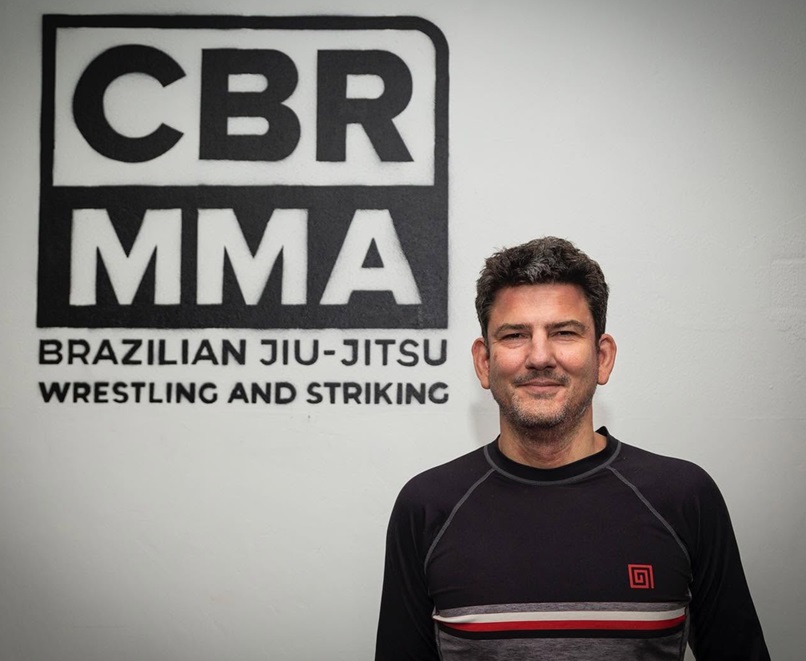
His name is Christian Barry, and long before he was known in academic circles as a professor of political philosophy, he was a Columbia grad student who beat Danaher to jiu-jitsu by a matter of months, then talked his enormous, soft-spoken friend into trying it too.
Two Philosophy Students in New York
In the early-to-mid 1990s, Barry and Danaher were both graduate students in Columbia’s philosophy department — Barry working toward what would eventually become his focus on distributive justice and political philosophy, Danaher deep in epistemology. They’d been students together for a few years and knew each other well enough that Danaher would occasionally tell Barry about his other job: working as a bouncer at Manhattan nightclubs, a role that put his size to use and gave him stories that Barry has since described as equal parts eye-opening and terrifying.
Barry, by his own account, hadn’t done any martial arts growing up. He’d always been drawn to wrestling but never had the opportunity as a kid. Like a lot of people his age, what actually pulled him in was watching Royce Gracie dismantle bigger opponents at the first UFC event,the same moment that hooked a huge number of that first American generation of jiu-jitsu practitioners. At the time, there was nowhere obvious to learn it. It wasn’t until Barry was back in New York and started digging around that he found out someone was actually teaching the art in the city.
Finding the Only Game in Town
That someone was Craig Kukuk, one of the original American black belts, who had partnered with Renzo Gracie and was among the very first people producing jiu-jitsu instructional content in the U.S. As far as Barry could tell, Kukuk’s class was one of the only — maybe the only — place in New York where you could actually learn Brazilian jiu-jitsu at the time.
Barry started training there. And it didn’t take long before he brought his classes back to his friend from the philosophy department.
Convincing a Bouncer
Danaher himself has told this part of the story from the other side: Barry convinced him through live demonstration, Danaher was a much bigger man, skeptical of a martial art he hadn’t tested, and by all accounts not an easy person to talk into anything. So instead of arguing the case, Barry showed him what the art could actually do. That was enough. Danaher started training, and the two of them worked out together constantly in those early days at what would become the Renzo Gracie Academy.
Danaher has since described Barry as a dear old friend and a wonderful training partner — someone who was there from the very beginning of the New York jiu-jitsu scene, studying under Renzo Gracie alongside him, and who went on to become an excellent jiu-jitsu teacher in his own right, all while building a serious academic career in philosophy on a completely separate track from Danaher’s.
Two Paths From the Same Blue Basement
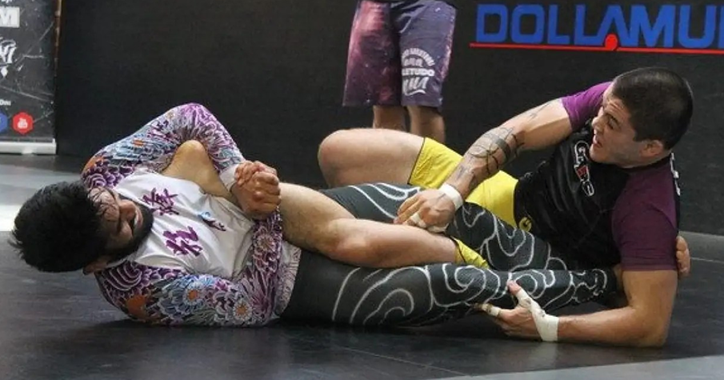
What makes the story worth telling is what came after. Danaher, of course, became one of the sport’s defining coaches, the architect behind the Danaher Death Squad and the systemization of leg locks that reshaped modern grappling. Barry took his academic career in the opposite direction geographically, eventually becoming a professor of philosophy in Australia, but he never left the mats. He’s remained active in jiu-jitsu for decades, still teaching seminars, both gi and no-gi often at the intersection of the two things that defined his time at Columbia: philosophy and jiu-jitsu.
It’s a reminder that some of the most consequential moments in jiu-jitsu history didn’t happen in a competition or a famous academy, they happened between two grad students in a philosophy department, one of whom talked the other into rolling.

A freelance journalist with more than seven years of experience covering a wide range of topics, with a focus on delivering accurate, engaging, and well-researched reporting. He studied at the University of Birmingham, where he developed a strong foundation in journalism and communications. Martin is a 10th Planet BJJ brown belt and has been training for approximately 10 years and a keen follower of submission grappling.