Walking into your first Brazilian Jiu-Jitsu class can feel like stepping onto another planet. Everyone around you seems to know a secret language of guards, sweeps, and submissions, and you’re just trying to figure out how to tie your belt. If you’re thinking about starting BJJ, or you’re a few weeks in and feeling overwhelmed. Here are ten things that would have made the beginning so much easier.
1. You’re Going to Feel Incompetent (And That’s Normal)
Nothing humbles you quite like BJJ. You could be a former athlete, a gym rat, or just generally coordinated, and you will still get controlled and submitted by people half your size. This is a reflection of the fact that BJJ is a skill, not a strength contest. Every black belt was once a white belt who tapped constantly. Expect the “beginner fog” to last for many months to come.
2. Tapping Early Isn’t Weakness
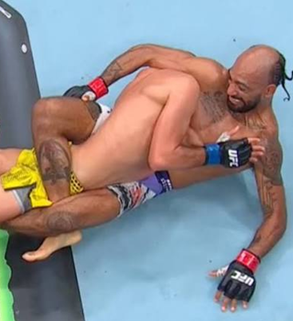
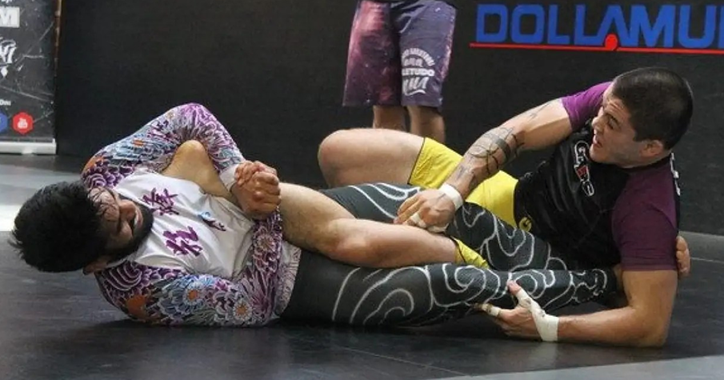
New students often try to “fight through” a submission out of pride, especially in front of others. This is how injuries happen. Tapping early and often protects your joints and your training partners’ trust in you. The goal in the early days isn’t to avoid tapping, instead it’s to learn why you got caught so you can fix it next time.
3. You Will Get Injured
Rolling with resisting opponents means minor tweaks, jammed fingers, and sore necks are part of the territory. What matters is learning to communicate with training partners about intensity, warming up properly, and not being afraid to sit out a round when something feels off. Training for longevity beats training for ego every time.
4. Gear Matters More Than You’d Think
A cheap, ill-fitting gi will make every class more miserable than it needs to be. It’s worth investing in a properly sized gi and a good pair of grappling shorts/rashguard for no-gi. Also, nobody will say it to your face, but hygiene is a big deal in a sport built on close contact. Wash your gear after every session.
5. The Belt System Is a Marathon
It commonly takes 8–12 years to reach black belt, with years spent at each intermediate rank. If you walk in expecting quick progress, you’ll get discouraged fast. Reframe your goals around small technical wins, understanding one new position, surviving longer against a tougher partner rather than chasing stripes and belts.
6. Ego Is the Fastest Way to Plateau
The students who improve fastest are usually the ones who let go of “winning” every roll early on. If you spend all your energy trying not to get submitted, you never actually try new positions or escape attempts, which means you never improve.
7. Consistency Beats Intensity
Training six days a week for a month and then burning out helps nobody. Steady, sustainable training, even just two to three times a week builds the kind of muscle memory and cardio base that actually sticks. Progress in BJJ compounds slowly over years and is extremely slow.
8. You’ll Need to Learn the Etiquette
Every gym has unwritten rules depending on its own culture: how to bow onto the mat, how to ask someone to roll, not rolling too hard with brand-new students, keeping toenails trimmed, not wearing shoes on the mats. Watching and asking questions early on saves you some awkward moments.
9. Mat Time Is What Counts
It’s tempting to binge YouTube breakdowns and think you understand a technique. But BJJ knowledge lives in your body, not your head. Watching instructional content is a great supplement, but it will never replace the repetitions and live rolling needed to actually make a technique work under pressure.
10. The Community Becomes the Real Reason You Stay
Most long-term practitioners will tell you the same thing: the techniques got them in the door, but the people kept them coming back. There’s something about training that hard with someone that builds trust and friendship fast. Don’t be surprised if your gym becomes one of the best parts of your week.

A freelance journalist with more than seven years of experience covering a wide range of topics, with a focus on delivering accurate, engaging, and well-researched reporting. He studied at the University of Birmingham, where he developed a strong foundation in journalism and communications. Martin is a 10th Planet BJJ brown belt and has been training for approximately 10 years and a keen follower of submission grappling.