Claressa Shields’ move into mixed martial arts marked one of the most high-profile crossover attempts in combat sports history. The multiple-time boxing world champion and Olympic gold medalist began preparing for her MMA debut by immersing herself in Brazilian Jiu-Jitsu, wrestling, and full MMA training camps.
For a fighter who had spent her entire professional career inside the boxing ring, the transition meant starting almost from scratch in several key areas of combat.
From Boxing Royalty to MMA Beginner
Shields entered MMA as one of the most decorated boxers of her generation. She had already become a multi-division world champion and Olympic gold medalist, dominating the sport with speed, pressure, and technical precision.
However, MMA presented an entirely different challenge. Unlike boxing, success in MMA requires defending takedowns, grappling on the ground, and learning submission defense—areas where even elite strikers can struggle early on.
Recognizing this, Shields committed to training at high-level MMA facilities, including camps known for producing UFC champions and elite grapplers.
Early Steps Into Brazilian Jiu-Jitsu
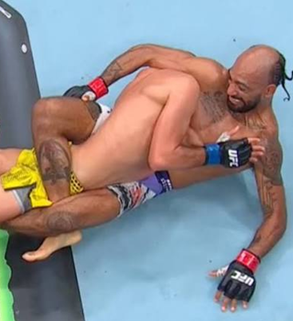
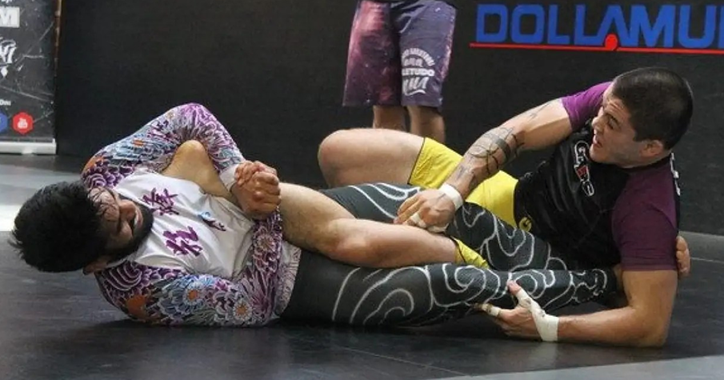
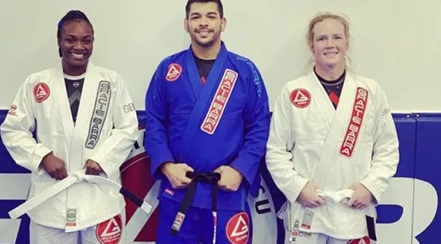
As part of her MMA preparation, Shields began working extensively in Brazilian Jiu-Jitsu, often training in the gi and no-gi environments to understand positional control, escapes, and submission defense.
Training alongside experienced grapplers and MMA veterans, she focused on:
- Learning how to defend takedowns
- Escaping from bottom positions
- Understanding guard passing mechanics
- Surviving against higher-level grapplers
For many elite strikers transitioning into MMA, this stage is often the most difficult adjustment, as grappling exchanges demand patience, balance, and positional awareness rather than explosive offense.
Wrestling and MMA Integration
In addition to BJJ training, Shields incorporated wrestling drills to prepare for the inevitable clinch exchanges she would face in competition.
Wrestling is often considered the most important base for MMA grappling, particularly for strikers making the transition. It allows fighters to dictate where the fight takes place—standing or on the ground—and is essential for defending takedowns from experienced grapplers.
Shields trained to blend her boxing with defensive grappling, aiming to keep fights standing where her striking experience would be most effective.
Training With Elite MMA Camps
To accelerate her learning curve, Shields trained at established MMA gyms known for producing top-level fighters. These environments exposed her to live sparring against experienced MMA athletes, forcing her to adapt quickly to strikes combined with takedown attempts.
Reports from training sessions suggested that while her boxing remained elite, the biggest challenge was adjusting to:
- Defensive grappling under pressure
- Cage wrestling
- Ground control exchanges
- MMA pacing and distance management
Preparing for the PFL Debut
Shields signed with the Professional Fighters League (PFL), where she was expected to make her MMA debut after an extended training period.
The promotion’s format allowed her to develop gradually rather than immediately facing top-ranked opponents, giving her time to refine her grappling and cage skills before competing in full tournament conditions.
Her debut was widely anticipated, not only because of her boxing credentials but also because of the question every crossover athlete faces:
Could elite boxing translate into MMA success?